Field Testing the .30 Calibre Safari Airgun for Crop Protection
Using a high‑powered airgun for crop protection is a specialist job. However, the .30 calibre Safari has repeatedly proven its value when extra range and knockdown power are essential. During a recent crop‑control session, this airgun enabled me to build a respectable bag on a day when a standard sub‑12 ft/lb setup would have struggled.
Cover Crops Under Pressure from Corvids and Pigeons
My good friend Roe Norman runs Park Farm Airgun Holidays on the Somerset/Wiltshire border. He also manages a pheasant shoot on his family farm. As part of his conservation‑focused management plan, Roe sows several acres of cover crops each year. So, these plots provide vital food and shelter for game birds. Also, they create excellent habitat for farmland species. Unfortunately, this year’s newly sown crops attracted some unwelcome attention. Within weeks of drilling the seed mixes, crows, rooks, jackdaws and woodpigeons were pulling up seedlings before they could establish. Therefore, immediate action was essential!
Roe tried a couple of shotgun sessions, but the birds quickly adapted and kept their distance after hearing a few loud bangs. A quieter, more precise approach was needed.
Why the Safari Airgun Was the Right Tool
Although a sub‑12 ft/lb airgun would have been quieter, it simply didn’t offer the range required. The birds were landing out in the open, well beyond typical airgun distances. Their constant head‑bobbing while feeding also made head shots impractical. What I needed was serious upper‑body stopping power. So, the Safari’s .30 calibre punch was perfect.
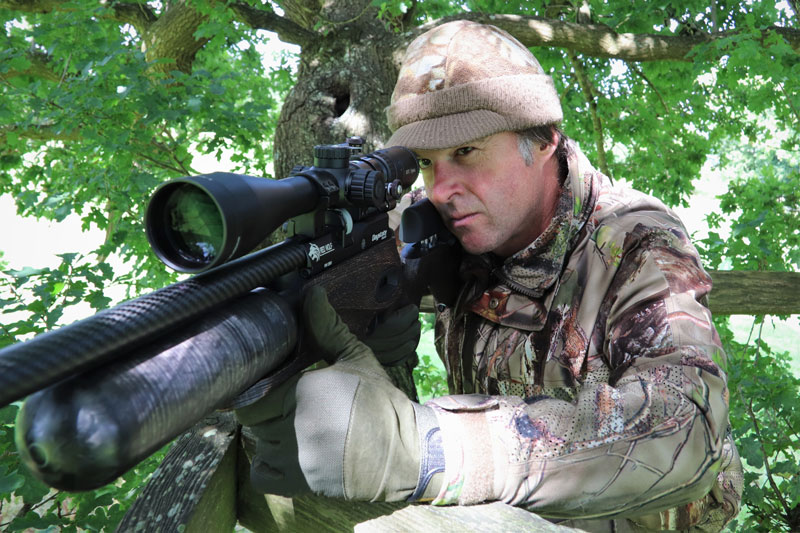
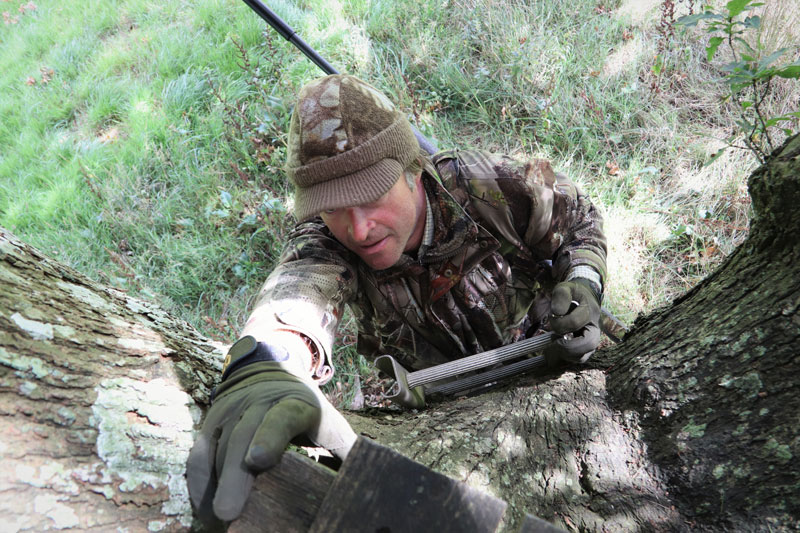
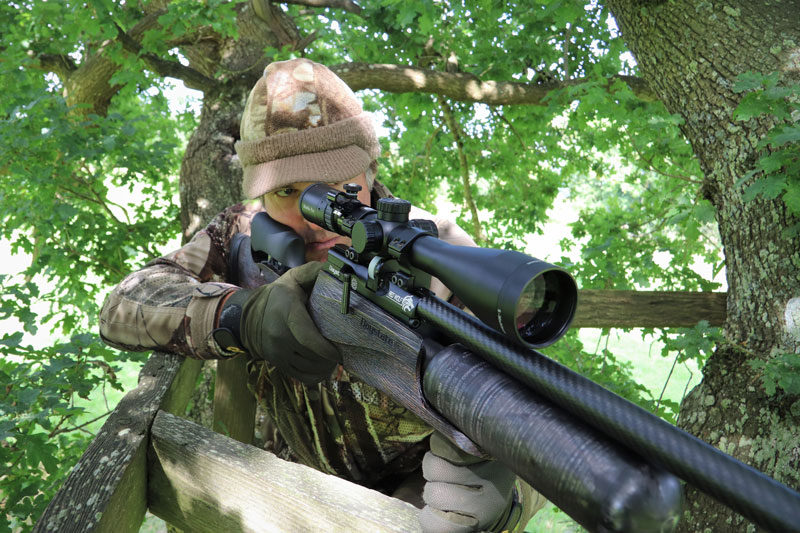
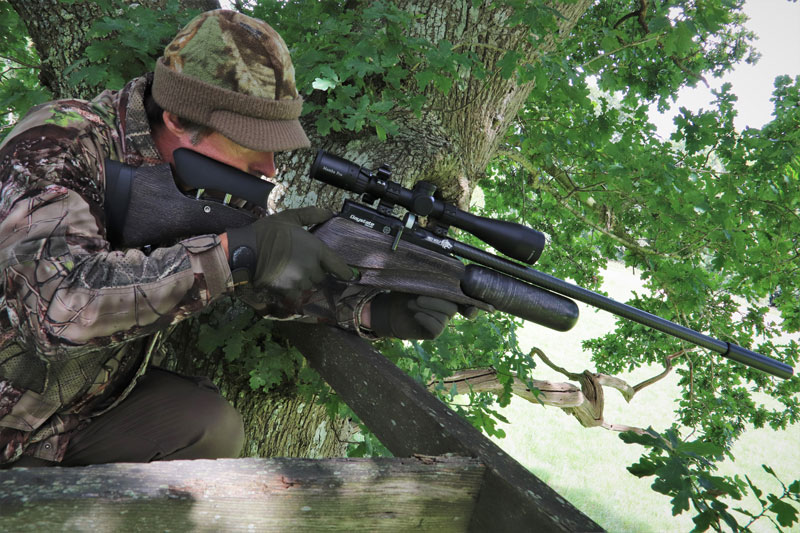
Conveniently, Roe has a high seat positioned in an old oak tree overlooking the cover crop. It’s usually used for deer management, but it offered a perfect vantage point for this job. Shooting from an elevated position also meant my shots angled downward. This significantly reduced the risk of ricochet — an important consideration with higher‑powered airguns.
Setting Up for Effective Pest Control
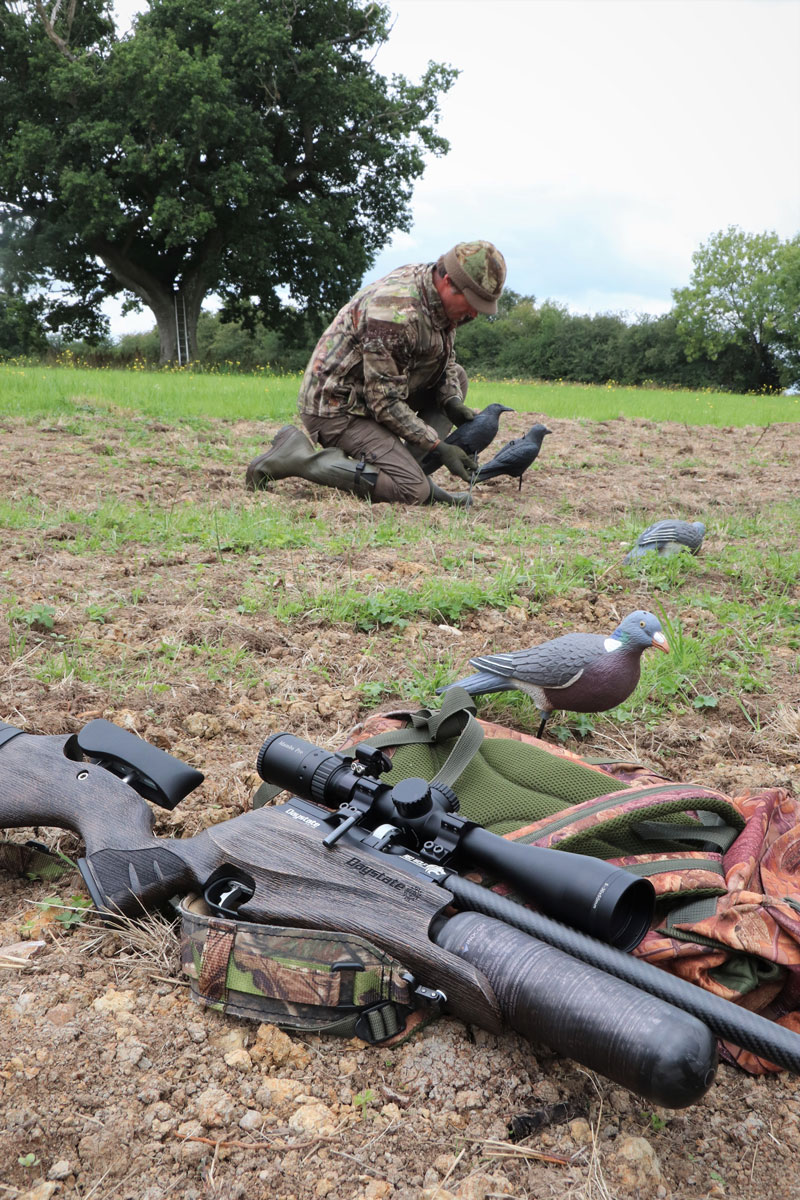
A couple of crows lifted off the crop as I arrived for my morning session, but the field was quieter than expected. After placing a few crow and pigeon decoys on the freshly drilled ground, I climbed the ladder into the oak boughs and settled onto the pallet platform.
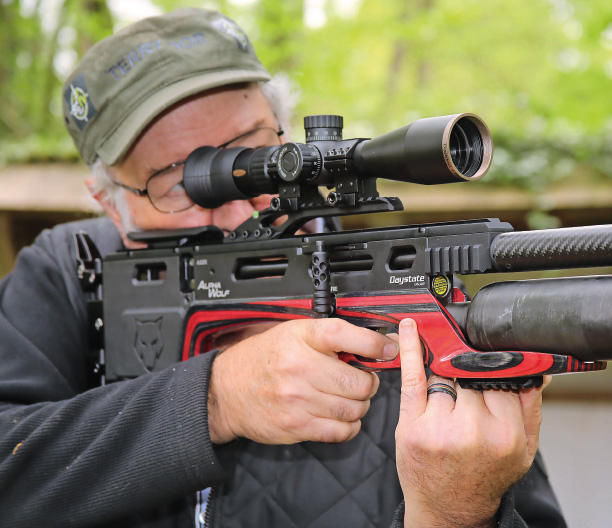
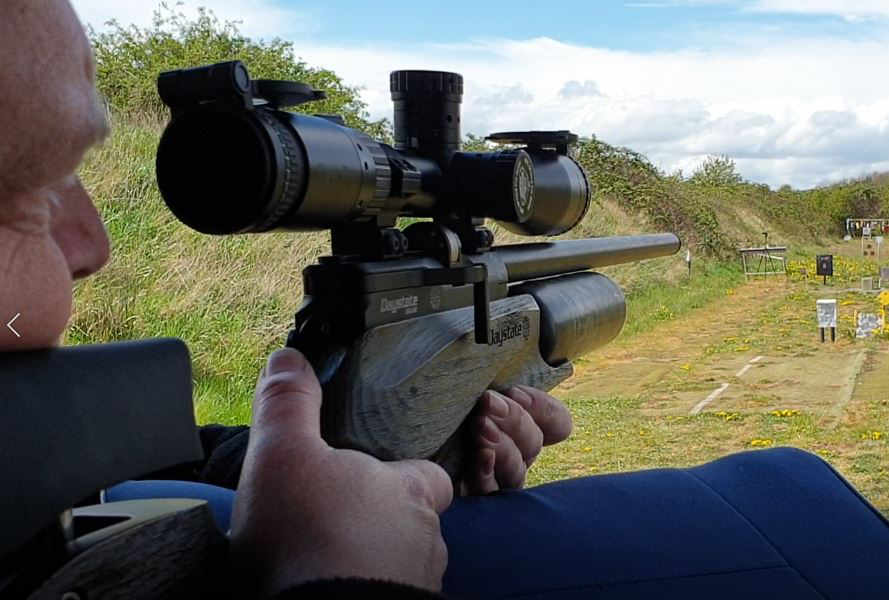
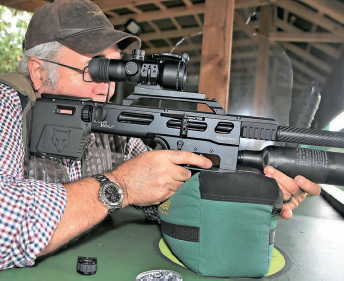
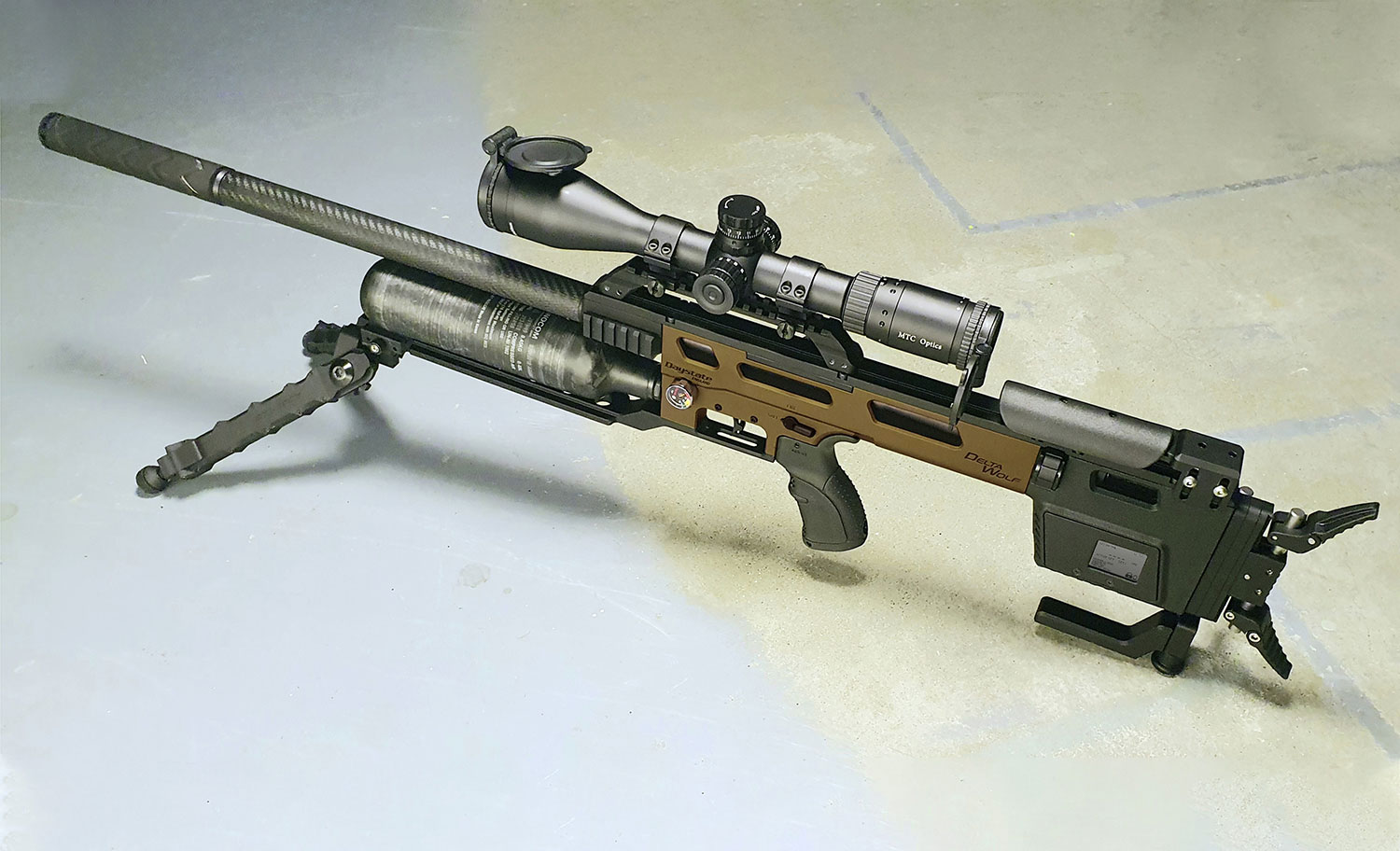
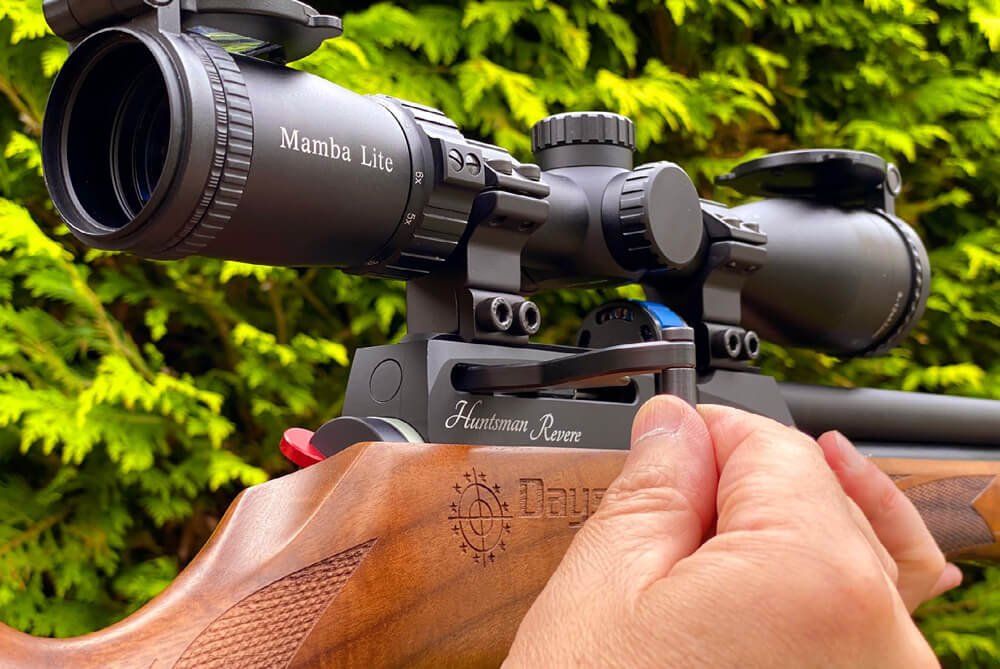
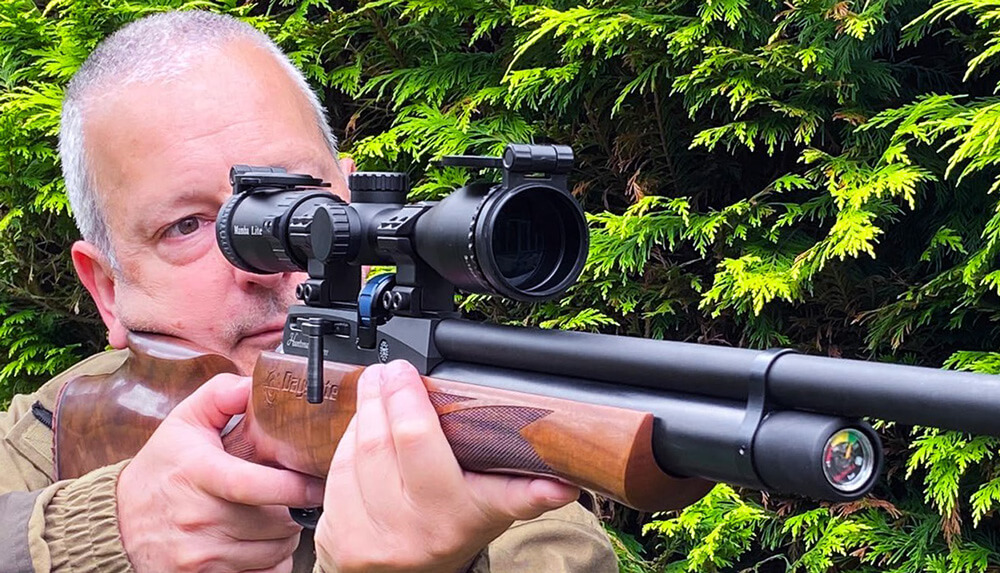
Before I even pulled on my camouflage head net, a jackdaw glided in and landed near the decoys. A quick rangefinder check confirmed it at just over 50 metres. I set my MTC Mamba Pro at 20x magnification and settled the crosshairs on the bird’s chest. The high seat’s sturdy rails provided solid support. The Safari barked, the pellet struck with a hollow thud… and the jackdaw dropped instantly.
It landed belly‑down, saving me a trip down the ladder. Which was just as well, because another jackdaw arrived moments later! That one joined the tally too, and I still hadn’t bothered with the head net. The dense summer foliage provided enough natural concealment to keep me hidden.
Long‑Range Shots and Consistent Results
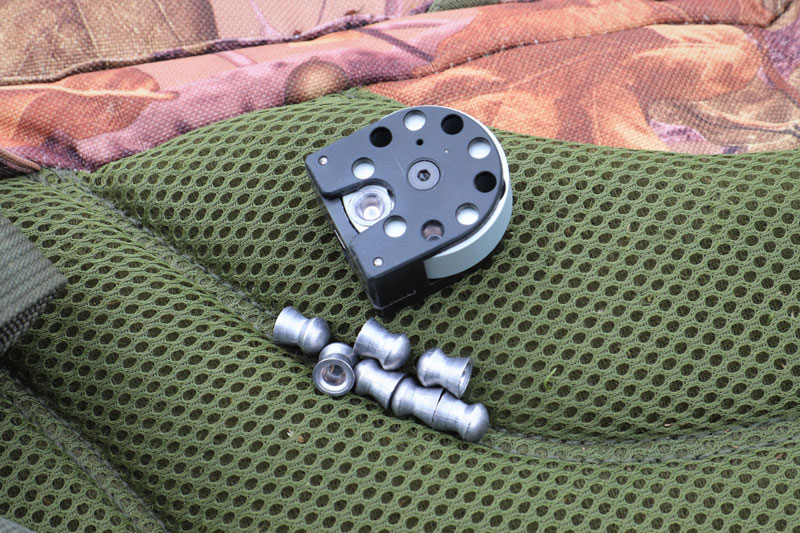
My cover from the tree’s foliage was highlighted when a pair of pigeons attempted to perch just feet from me. They only spooked at the very last moment. After a quiet spell, a crow circled the decoys and dropped into the field behind them. I had already ranged several markers, so I knew it was just over 65 metres. This was a long shot, but well within the Red Wolf Safari’s capabilities.
Thanks to the rifle’s power and the hours spent perfecting my aim points, the oversized pellet hit home. It poleaxed the crow, this one landing legs‑up. So, I climbed down to reposition it. With both the shot jackdaws set to more lifelike poses, I returned to the high seat.
Over the next couple of hours, more birds followed, including a flurry of jackdaws. Activity eventually slowed, as often happens during the warmest part of summer days. Eventually, I decided to wrap up the session.
Final Results and Why the Safari Excels
However, by the end of the morning, the Red Wolf Safari had accounted for:
- 7 jackdaws
- 2 crows
- 1 woodpigeon
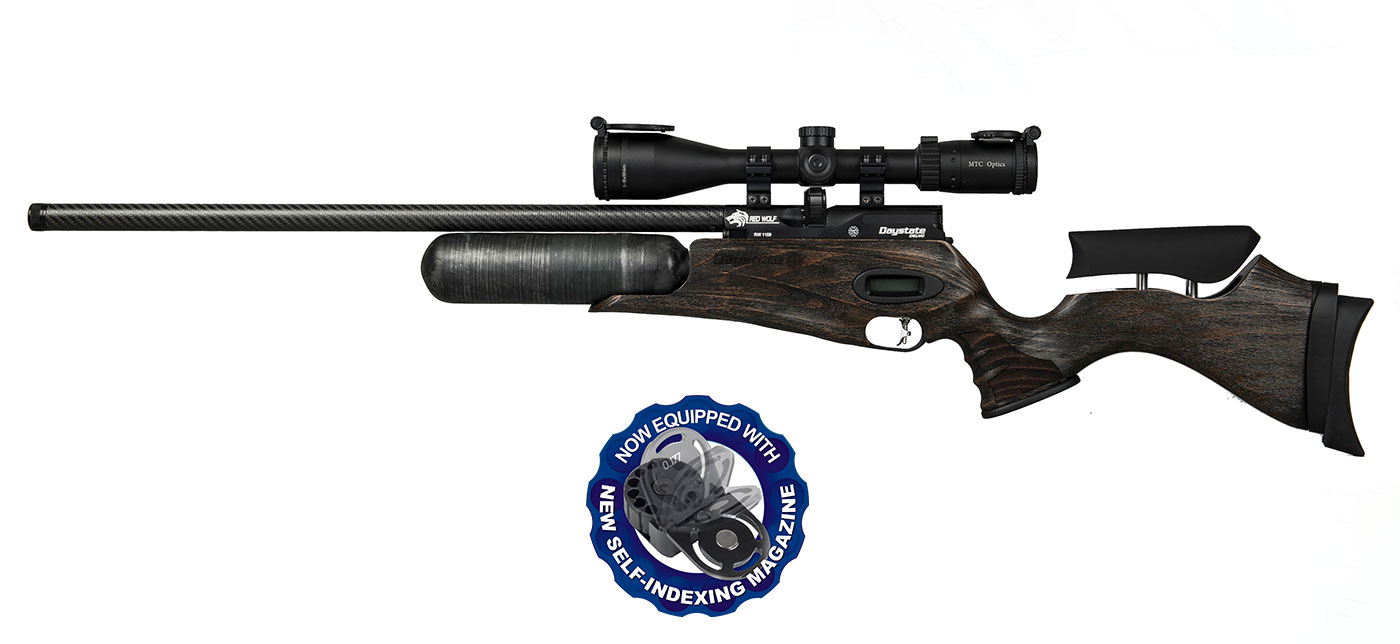
Like I said at the outset, when I need extended range and reliable knockdown power, the Daystate Safari HP is unbeatable. For crop protection work where birds are wary and distances are long, it delivers the performance required to protect valuable cover crops.